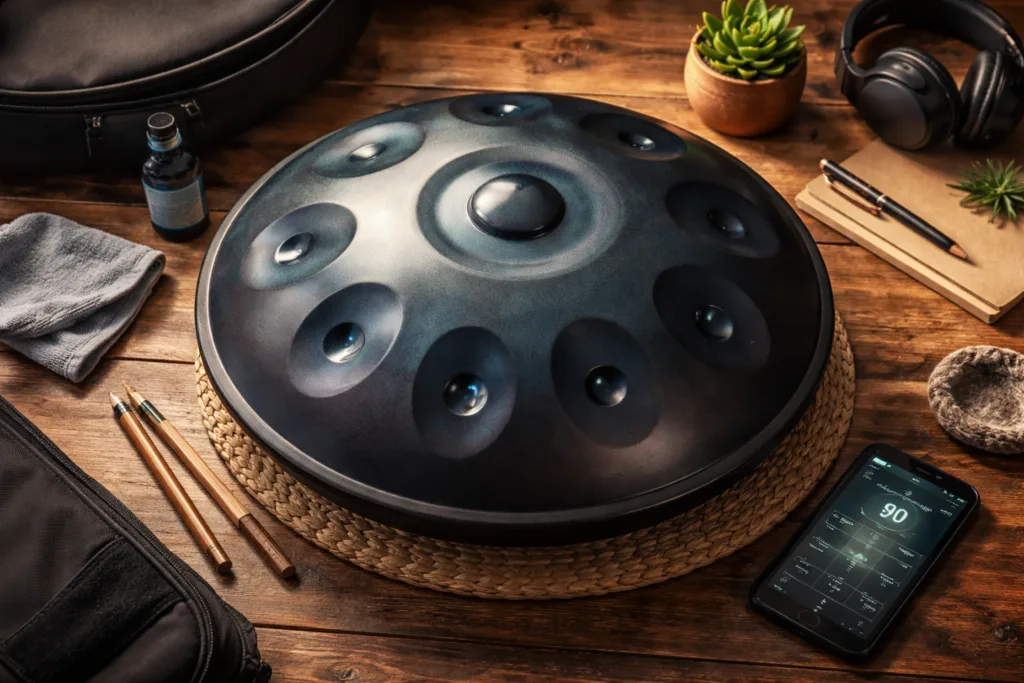
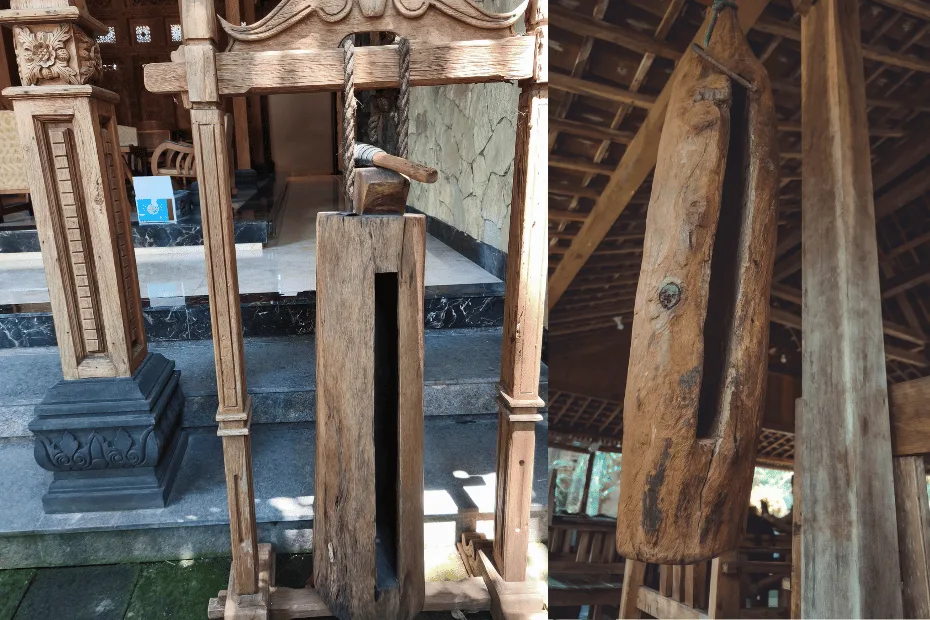
A slit drum is a pitched percussion instrument made by cutting one or more slits into a solid body so the “tongues” can vibrate. It’s loved for its warm tone, quick learning curve, and the way it can sound both primitive and polished.
- Sound family: Idiophone (the body itself makes the sound), often called a log drum or tongue drum in modern forms
- Best for: grooves, melodic patterns, soundscapes, simple accompaniment
- Skill level: Friendly for beginners, still rewarding for advanced dynamics and timing
- Common materials: hardwood, bamboo-like materials, sometimes steel in tongue-style designs
- Typical playing tools: rubber mallets, felt mallets, or hands (depending on build)
Slit Drum Types
How a Slit Drum Makes Sound
- Tongues vibrate: The cut sections act like springy beams that move when struck, creating pitch.
- Pitch comes from shape: Longer tongues usually sound lower; shorter tongues sound higher. Thickness also changes feel and response.
- The cavity helps: Many designs have an inner space that boosts resonace and gives the sound a round body.
- Touch changes tone: A light mute with a finger or palm can shorten sustain and sharpen rhythm.
Think of a slit drum as a mini wooden keyboard you play with timing. You’re not chasing volume. You’re shaping attack, sustain, and space.
Strike Map (Simple Visual) for most tongue-style slit drums
[ Tongue ]
|---------|
|  edge   |  = brighter, more bite
|  mid    |  = balanced tone
| center  |  = rounder, softer attack
|---------|
Choosing a Slit Drum That Fits Your Music
- Decide your role: Do you want rhythm first, or melody first? That choice guides size and layout.
- Pick a note count: Fewer tongues feel focused. More tongues feel playful and offer variety.
- Check the scale: A fixed major or minor layout can feel instantly musical. Some instruments use pentatonic patterns that are hard to “mess up.”
- Listen for sustain: Longer sustain supports ambient parts. Shorter sustain supports tight grooves and clean rhythm.
- Match mallets to tone: Softer heads bring warmth; firmer heads bring clarity and more attack.
A quick quality check helps. A good slit drum should feel stable, have even note response, and avoid a harsh rattle.
- Tap each tongue softly: Listen for consistent volume and a clean start.
- Play the lowest note: It should feel full, not dull or choked.
- Try fast repeats: Notes should reset quickly without a “sticky” bounce.
Easy Playing Techniques That Sound Musical
- Use small motions: Let the mallet rebound. A tight stroke keeps tone clear and supports tempo.
- Aim for the sweet spot: Many tongues sing best slightly off-center. That’s where tone and attack meet.
- Control dynamics: Soft notes can still be present. Loud notes can stay round without harsh click.
- Damp on purpose: A gentle palm mute turns a ringing note into a short pulse. Great for groove.
A First Session Plan
- Find two notes you like: Alternate them slowly. Keep your hands relaxed and your sound even.
- Add a third note: Build a tiny loop. Let it repeat until it feels easy and steady.
- Change only one thing: Make it louder, then softer. Or switch mallets. Hear how texture changes.
- End with a rhythm: Tap a simple pattern: short-short-long. Keep it clean, not rushed, and smile when it locks in.
Care and Setup for Long-Term Enjoyment
- Keep it comfortable: Avoid extreme dryness or heat so the wood stays stable and the tone stays predictable.
- Use a soft surface: A cloth or pad under the instrument reduces unwanted buzz and protects the finish.
- Clean gently: Wipe dust with a dry cloth. If the maker recommends it, a tiny amount of suitable oil can keep wood grain happy.
- Store smart: A simple bag or case helps prevent dings and keeps the edges safe.
Recording and Amplifying Without Losing Character
- Start with the room: A quiet space gives the slit drum its natural air.
- Mic placement trick: Aim slightly above the tongues, not straight down at one note. You’ll capture a more balanced blend.
- Reduce harsh clicks: Softer mallets, lower strike force, and a tiny shift in position often fixes sharp attack fast.
- Simple processing: Light compression can steady peaks while keeping dynamics alive. Keep reverb tasteful.
Musical Uses That Make a Slit Drum Shine
- Rhythmic backbone: Use low tongues for a pulse, higher tongues for syncopation.
- Melodic hooks: Repeating short motifs can sound catchy without being busy. Leave space so each note matters.
- Texture layer: Light taps behind vocals or strings add a human shimmer. It’s subtle, and that’s the point.
- Call-and-response: Trade phrases with a guitar, flute, or percussion. The contrast feels fresh.
Common Slit Drum Questions
Is a Slit Drum the Same as a Tongue Drum?
They’re close cousins. “Slit drum” is the broader idea: tongues created by slits vibrating as an idiophone. “Tongue drum” often points to modern, scale-based designs, including steel versions.
Do I Need Mallets, or Can I Use My Hands?
Many instruments sound best with mallets because you get a clean attack and stable pitch. Some builds handle hands well, especially for softer grooves and quick mutes.
How Do I Know If the Notes Will Fit My Music?
Look for a scale that matches what you already play. A pentatonic layout is friendly and flexible, while a clear major or minor scale supports melodies you can hum.
What Makes One Slit Drum Sound “Better” Than Another?
“Better” usually means even response, pleasing sustain, and a tone that matches your taste. Clean cuts, solid build, and comfortable spacing between tongues also make playing feel easy.