| Rhythmic Cycles / Grooves | - Samba – Syncopated thumb bass, fingertip and heel-of-hand subdivisions, slaps, and controlled jingle movement can create a dense groove from a single instrument. The exact pattern changes with the samba style and ensemble setting.
- Choro – Precise subdivisions and dynamic control help the pandeiro support flute, guitar, cavaquinho, and other melodic instruments without masking their articulation. Lighter strokes and careful jingle control are often useful in smaller ensembles.
- Capoeira – The pandeiro accompanies the berimbau and other instruments in the roda. Its pattern supports the chosen toque and ensemble pulse rather than functioning as an independent fixed groove.
- Funk / Jazz – Modern players adapt bass strokes, slaps, ghost notes, and continuous subdivisions so the pandeiro can cover roles comparable to parts of a drum-set pattern.
| The instrument changes role according to style, ensemble size, tuning, and the amount of jingle activity used by the player. |
|---|
| Techniques | - Bass Tone – Commonly produced with a relaxed thumb stroke on an open area of the head. The head must be free enough to resonate; exact contact point and hand motion vary between techniques.
- Slap – A fast finger or hand stroke near the edge produces a short, bright accent that can cut through a busy groove.
- Open Tone – A fingertip stroke near the rim allows the membrane to ring and gives a clearer pitched response than a muted touch.
- Muted Tone – Contact is maintained or damping is applied so the head produces a shorter, drier articulation.
- Shake Roll – Controlled wrist and frame movement keeps the platinelas sounding continuously. The motion should remain relaxed so the roll stays even.
- Ghost Notes – Very light strokes between stronger accents add subdivision and motion without making every note equally loud.
| Clean transitions between head tones and platinela sounds allow the pandeiro to cover several rhythmic roles without excessive force. |
|---|
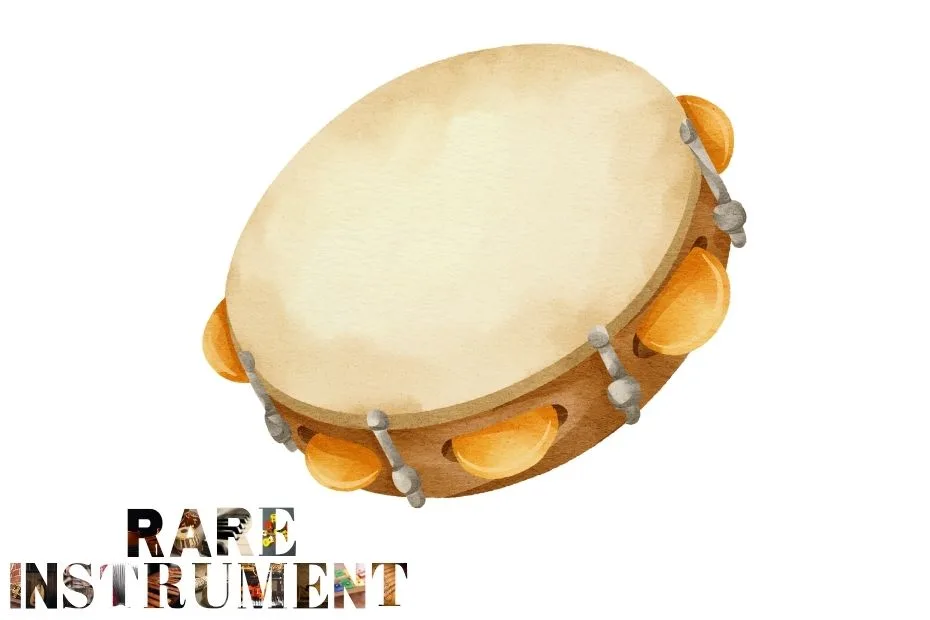
| Instrument Specs | - Diameter: Many Brazilian pandeiros are around 10 inches, although instruments from roughly 8 to 12 inches are common. Larger heads generally offer more low-frequency potential, while smaller instruments can feel quicker in the hand.
- Weight and Balance: Weight varies with frame material, hardware, head type, and jingle construction. A well-balanced instrument reduces strain during long sessions; heavier hardware is not automatically louder or better.
- Head:
- Natural skin: Often goat skin. It can produce a warm, responsive tone but reacts more noticeably to humidity and temperature.
- Synthetic: More stable under changing weather and often chosen for touring, outdoor use, or brighter modern setups.
- Jingles (Platinelas):
- Brass, plated steel, aluminum, and mixed-metal designs are all used.
- Material matters, but thickness, weight, curvature, spacing, and pairing also strongly affect sustain and brightness.
- Frame:
- Wood remains common and can provide a comfortable traditional feel.
- Synthetic, composite, or metal-frame designs may prioritize durability, lower maintenance, or reduced weight.
| Head tension, jingle design, total weight, and balance usually affect playing feel as much as the frame material itself. |
|---|
| Recording Tips | - Microphone placement: A condenser or dynamic microphone about 20–30 cm from the instrument can be a useful starting point. Angle it slightly so the microphone hears both membrane attack and jingles without placing either one directly on-axis.
- EQ: Check the low and low-mid area around 100–200 Hz for bass-body weight, and listen through roughly 6–10 kHz for jingle definition. Boost or cut only where the recorded instrument needs it; fixed EQ moves can easily make the platinelas harsh.
- Compression: Light compression around 2:1 or 3:1 can control large peaks. Avoid an unnecessarily fast attack if it removes the slap and thumb transients; set release so it recovers naturally with the groove.
- Room microphone: A second microphone farther away can add space when the room sounds good. Check phase alignment with the close microphone before mixing both signals together.
- Reverb: Short, restrained ambience can add depth. Long reverbs tend to smear fast subdivisions and rolls.
| The balance between membrane attack, bass resonance, and platinela brightness matters more than any fixed microphone or EQ recipe. |
|---|
| Pedagogy (Practice Path) | - Week 1: Establish a relaxed grip. Alternate bass and open tones slowly with a metronome around 60–70 BPM while keeping the supporting hand loose.
- Week 2: Add slap strokes and simple samba subdivisions. Keep the slap distinct without striking harder than necessary.
- Week 3: Introduce muted tones and ghost notes. Practice making secondary strokes quieter than the main accents.
- Week 4: Add shake rolls and work on moving between continuous jingle sound and separate head strokes without losing pulse.
- Week 5–6: Play with samba and choro recordings. Listen for placement, dynamics, and how the pandeiro supports the ensemble rather than filling every available space.
- Week 7–8: Explore capoeira patterns by following the berimbau toque and ensemble cues. Keep the pandeiro connected to the roda rather than treating the rhythm as an isolated exercise.
| The schedule is a practice model, not a fixed progression. Tone control and relaxed motion are more useful than rushing to harder patterns. |
|---|
| Common Mistakes | - Over-slapping: Excess force produces a harsh attack and wastes energy. Use relaxed fingers and let technique create the accent.
- Weak bass tone: This can come from poor thumb angle, excessive head damping, or an overly tight setup. Adjust the stroke and allow the membrane to resonate.
- Uneven rolls: Wrist tension makes the platinelas pulse irregularly. Slow the motion and keep the supporting hand relaxed.
- Excess jingling: Too much frame movement can blur the groove. Reduce unnecessary motion and separate continuous jingle passages from articulated strokes.
- Poor posture: Gripping the frame too tightly increases fatigue. Keep the shoulders loose and hold the instrument at an angle that does not force the wrist.
| Correcting tension and inefficient motion early improves consistency and reduces unnecessary strain during long practice or performance sessions. |
|---|
| Contexts & Styles | - Samba and Pagode – The pandeiro can articulate bass accents, subdivisions, slaps, and jingle motion in compact ensemble settings and rodas.
- Choro Ensembles – It provides precise timekeeping and rhythmic detail while leaving room for melodic phrasing and improvisation.
- Capoeira Rodas – It works with the berimbau and other percussion, reinforcing the rhythmic character of the chosen toque.
- Modern Fusion – Jazz, funk, and contemporary percussion players use the instrument for layered grooves, odd meters, improvisation, and drum-set-like orchestrations.
- Solo Performance – Advanced players can separate bass, slap, open-tone, muted, and jingle layers clearly enough to suggest several percussion voices at once.
| The pandeiro can move from a supporting timekeeping role to a dense solo texture without changing instruments; the difference comes from technique, tuning, and arrangement. |
|---|