
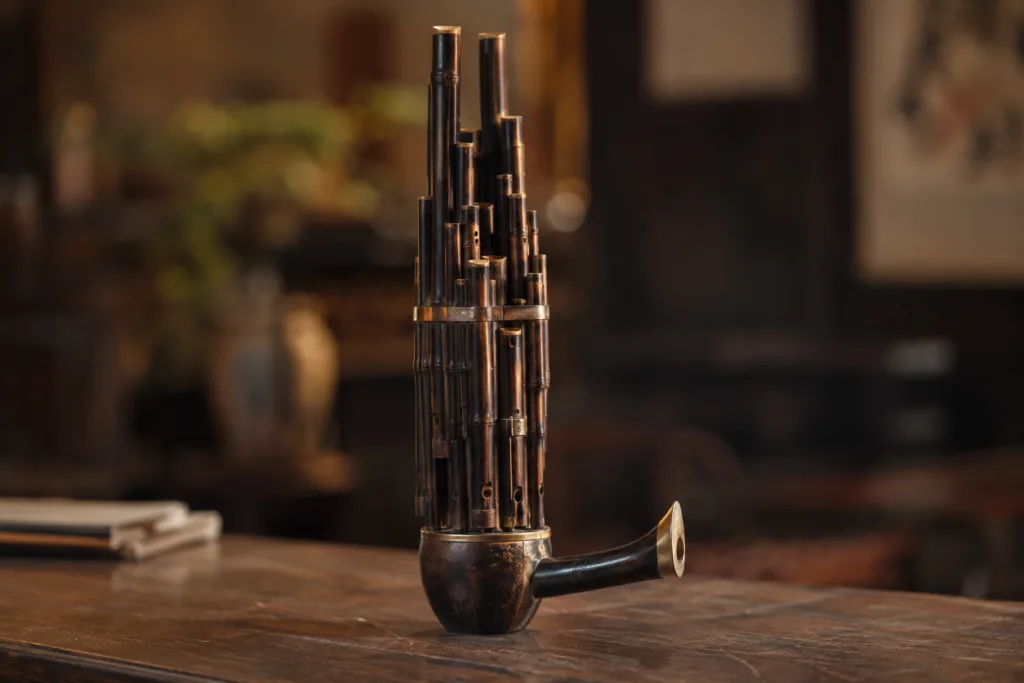
Sheng: How China’s Ancient Free-Reed Mouth Organ Works
The sheng is a Chinese free-reed mouth organ in which a cluster of pipes shares one wind chamber. Its sound
The sheng is a Chinese free-reed mouth organ in which a cluster of pipes shares one wind chamber. Its sound
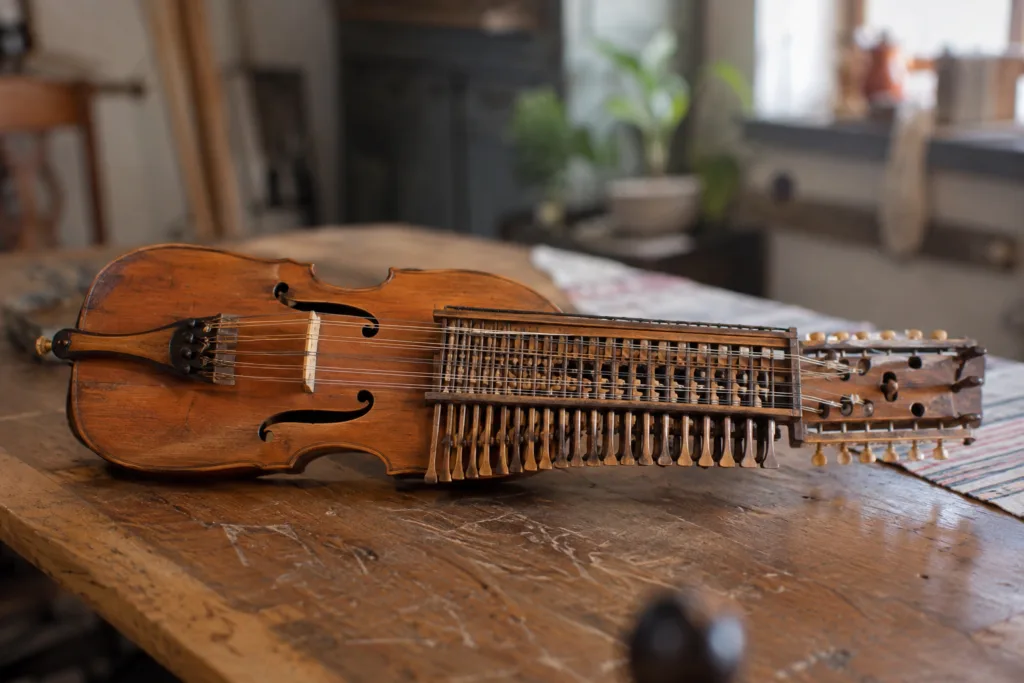
The nyckelharpa is a Swedish bowed string instrument in which the player changes pitch with rows of wooden keys rather
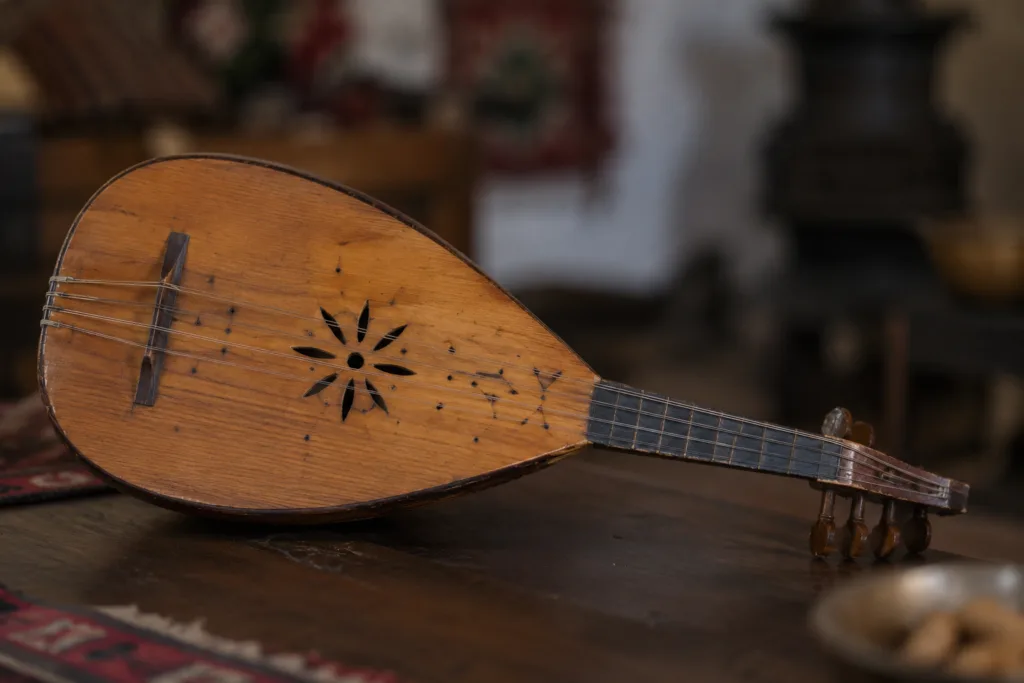
The cobza is a short-necked plucked lute associated especially with the traditional music of Romania and the Republic of Moldova.
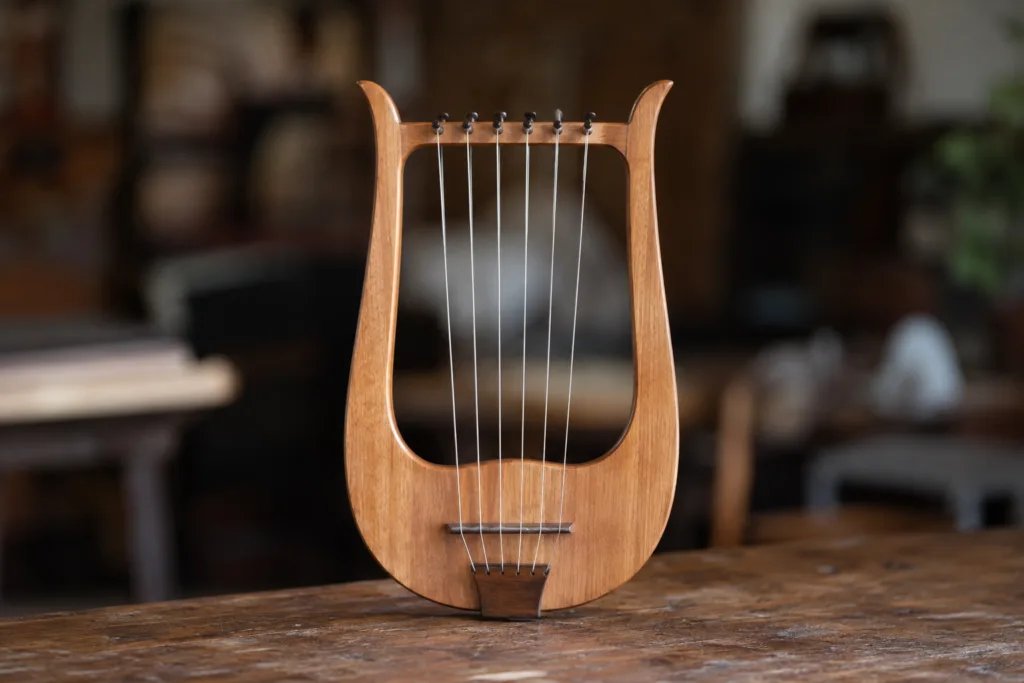
Merovingian Lyre · Trossingen Grave 58 · 6th Century The Trossingen Lyre is an almost completely preserved six-string lyre from
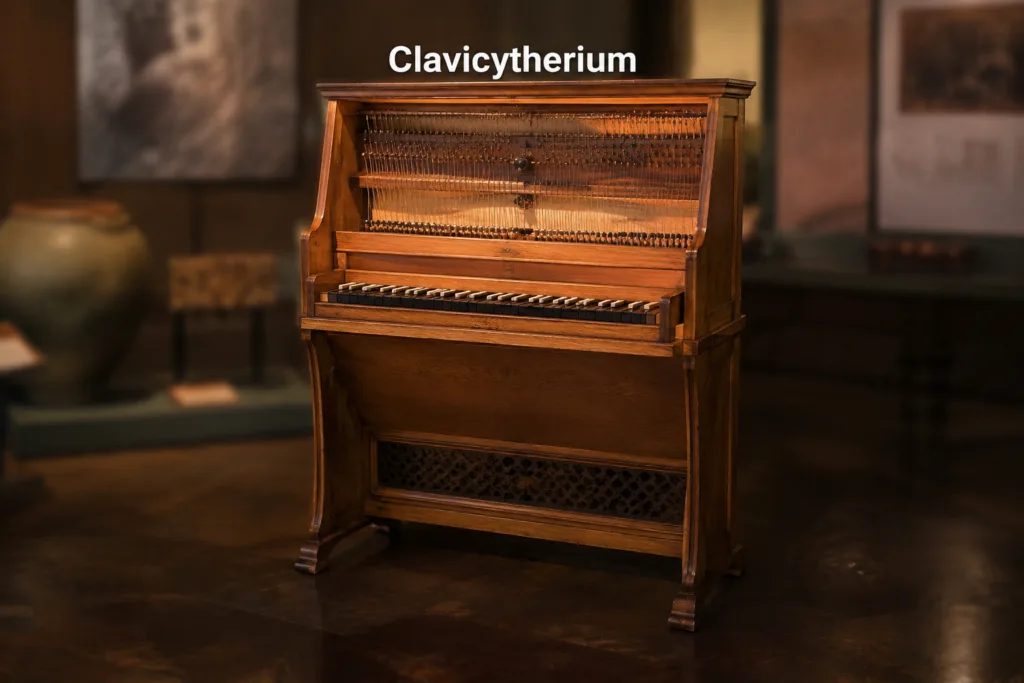
Instrument Snapshot The clavicytherium is an upright form of harpsichord in which the strings and soundboard stand vertically rather than
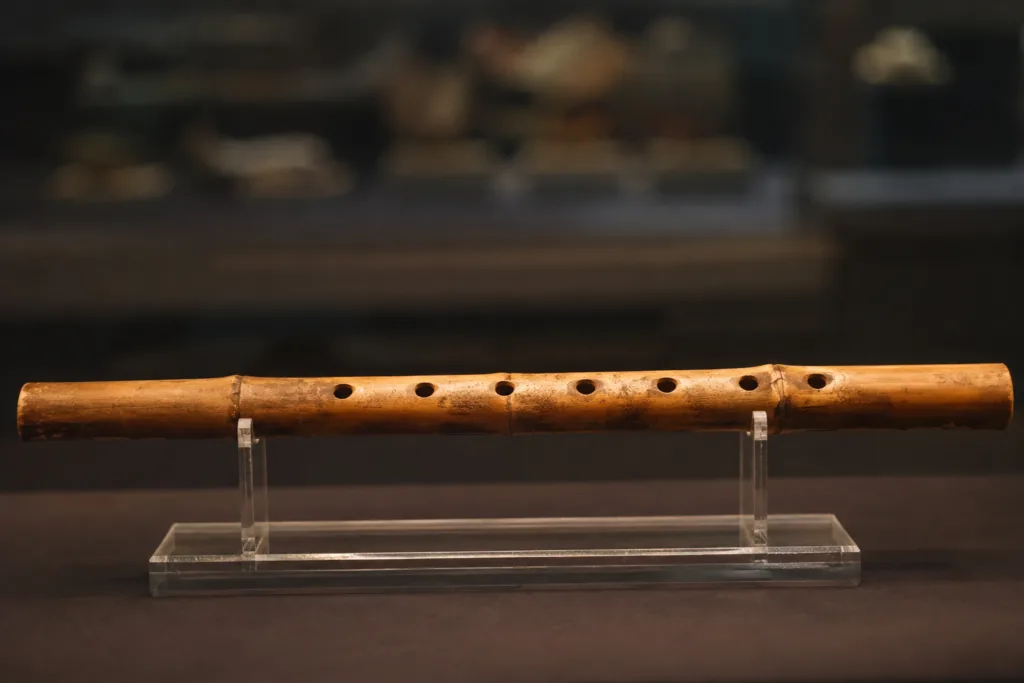
Instrument Snapshot The Baekje transverse flute from Gwanbuk-ri is a damaged bamboo side-blown flute recovered from the palace area of
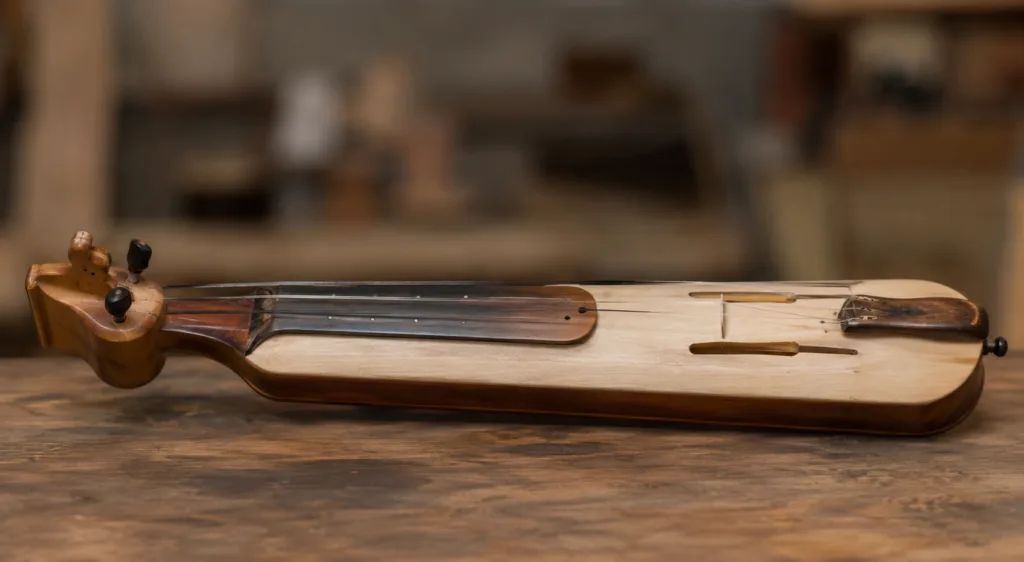
Instrument Snapshot The Karadeniz kemenche, or Karadeniz kemençesi, is a compact three-stringed bowed lute associated most closely with the Eastern
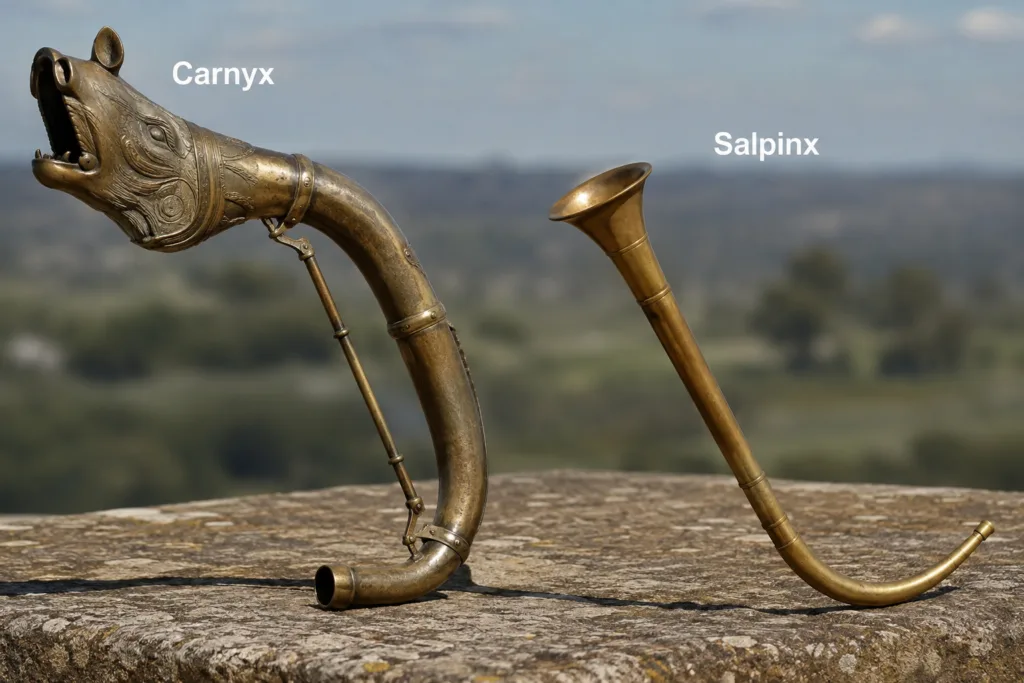
Carnyx and salpinx are compared as ancient war horns, focusing on how their identities, uses and historical settings differed in warfare.
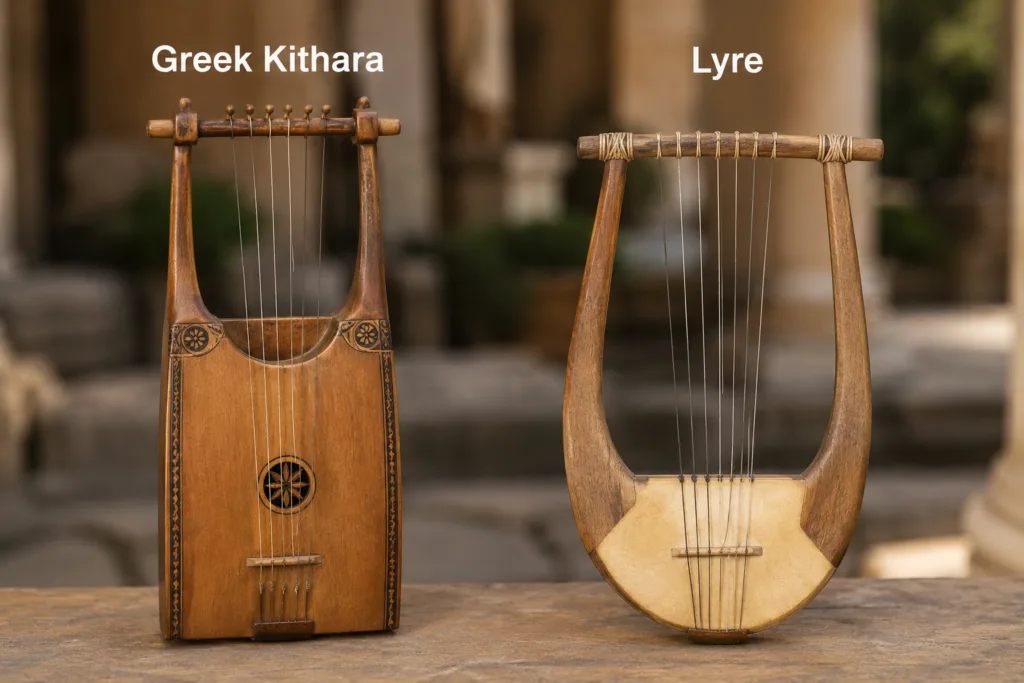
Greek kithara and lyre are compared through their uses and historical contexts, clarifying how two related ancient instruments served different roles.
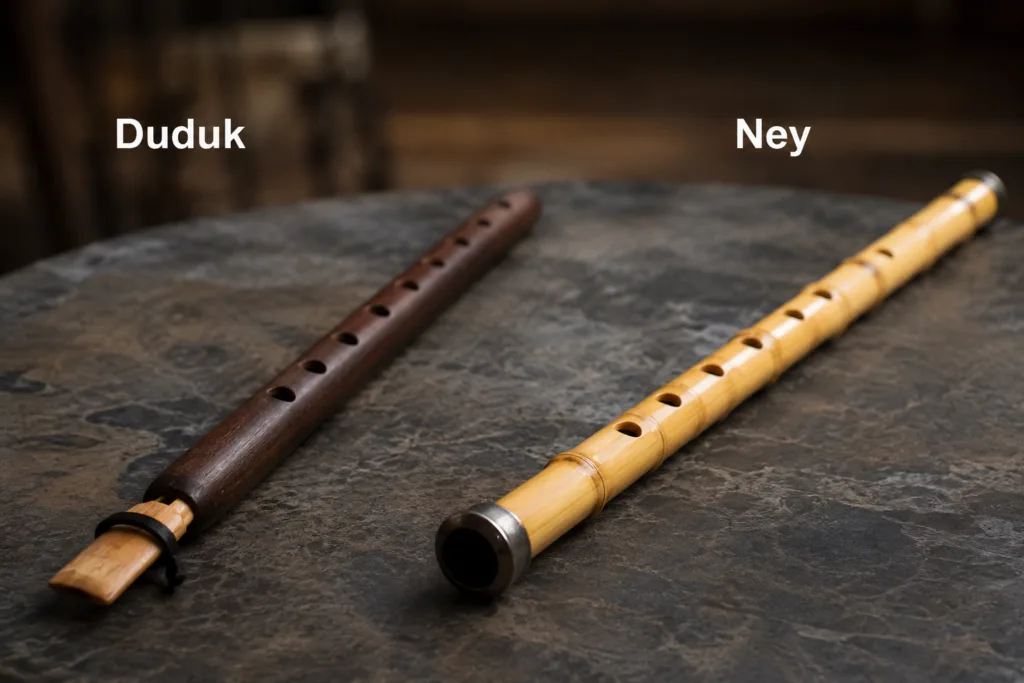
Duduk and ney are compared as ancient reed instruments, contrasting their sound, cultural settings and the historical traditions associated with each.
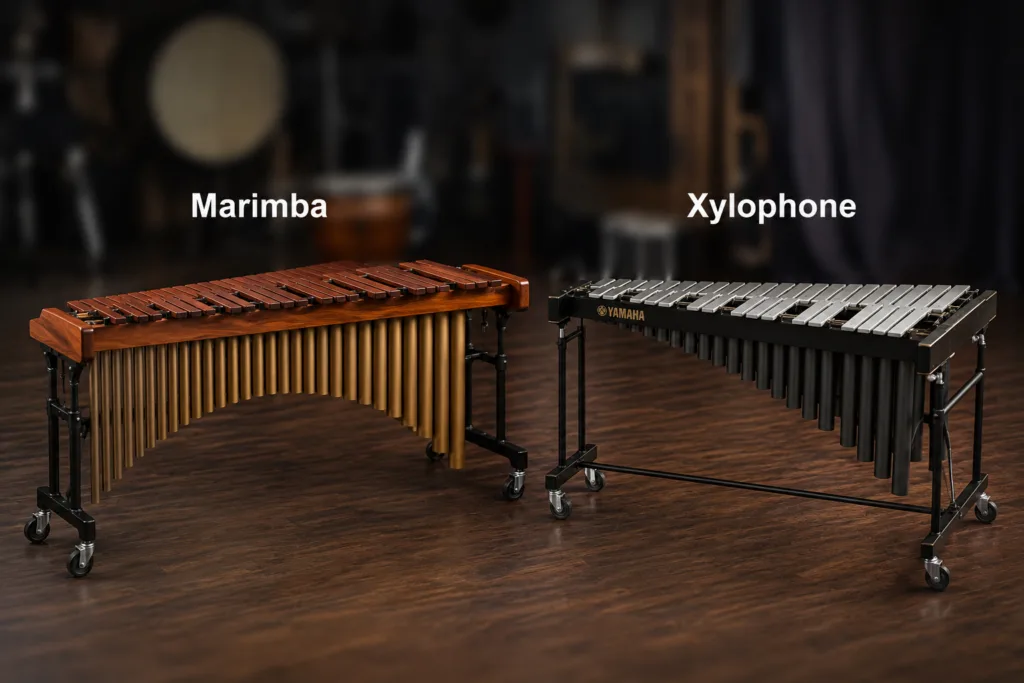
Marimba and xylophone are compared through sound, range and construction, clarifying the main differences between two closely related instruments.
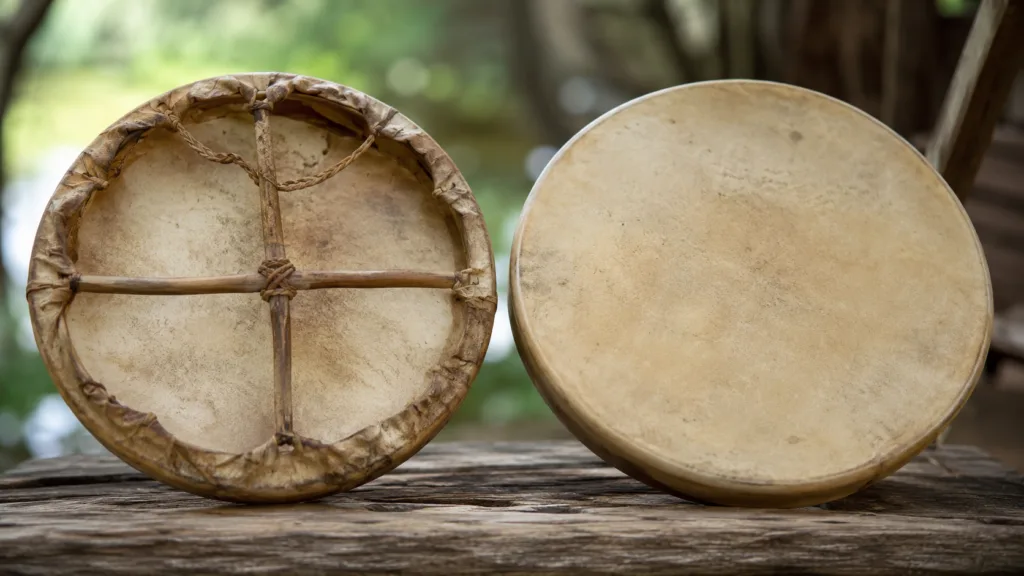
Shamanic and Native American frame drums are distinguished by construction, handling and culturally specific ritual settings rather than treated as.
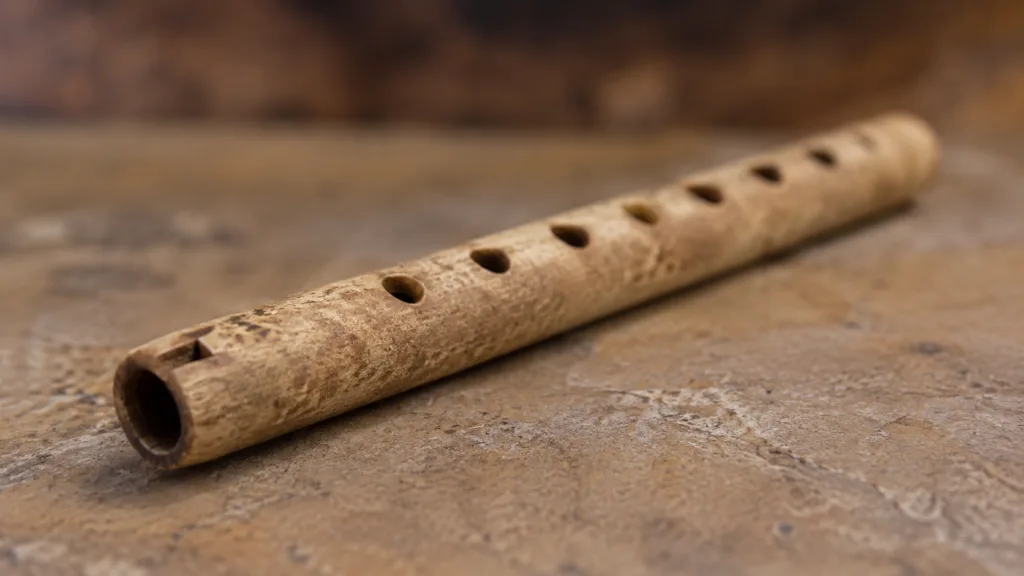
Sumerian flutes are considered through archaeological finds, depictions and uncertain reconstructions of early Mesopotamian wind instruments.
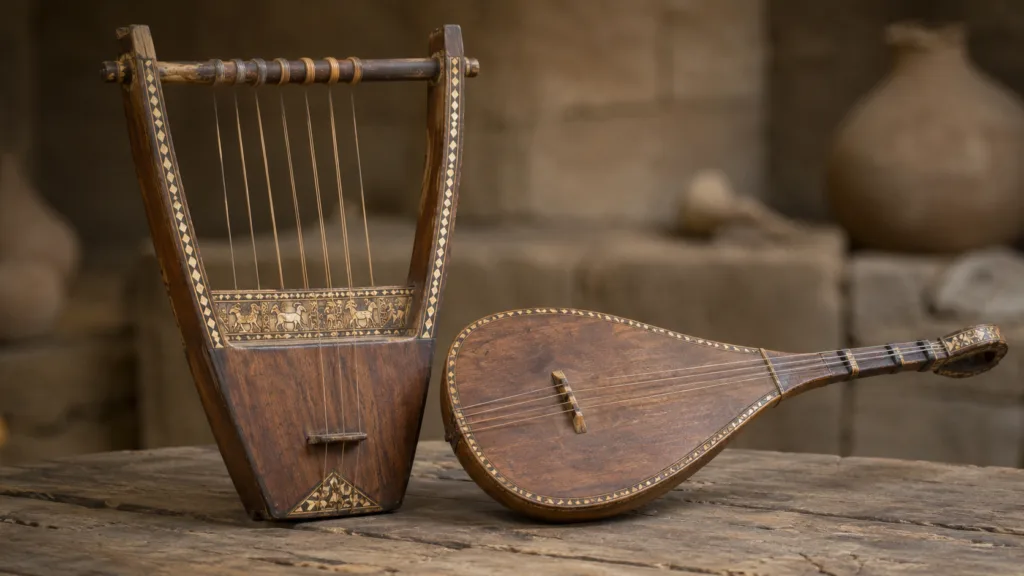
Mesopotamian lyres and lutes are traced through archaeology and imagery, showing early forms of string construction, performance and courtly use.
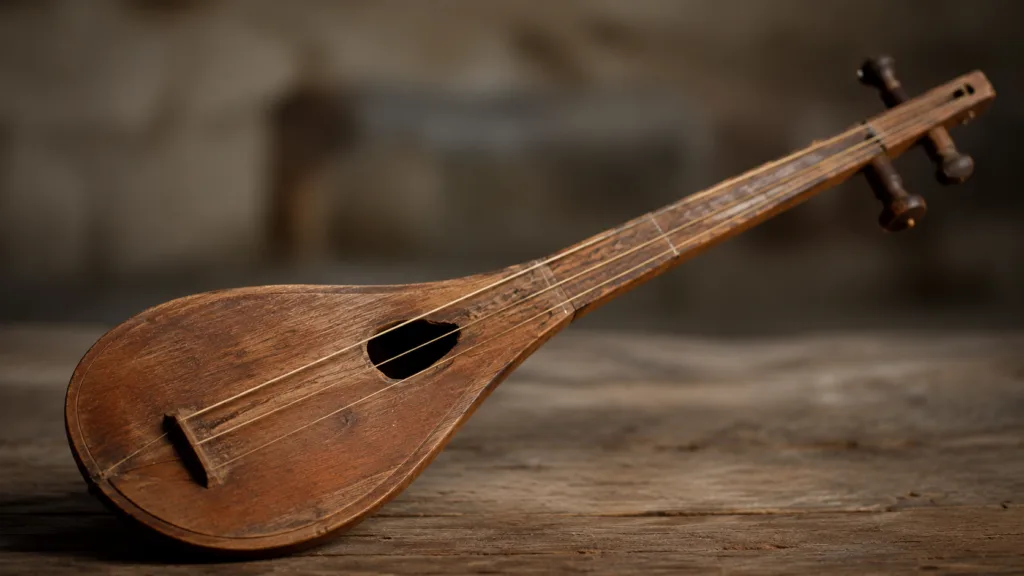
The pandura is examined as a three-string Greek lute through its design, written references and visual evidence from the ancient Mediterranean world.
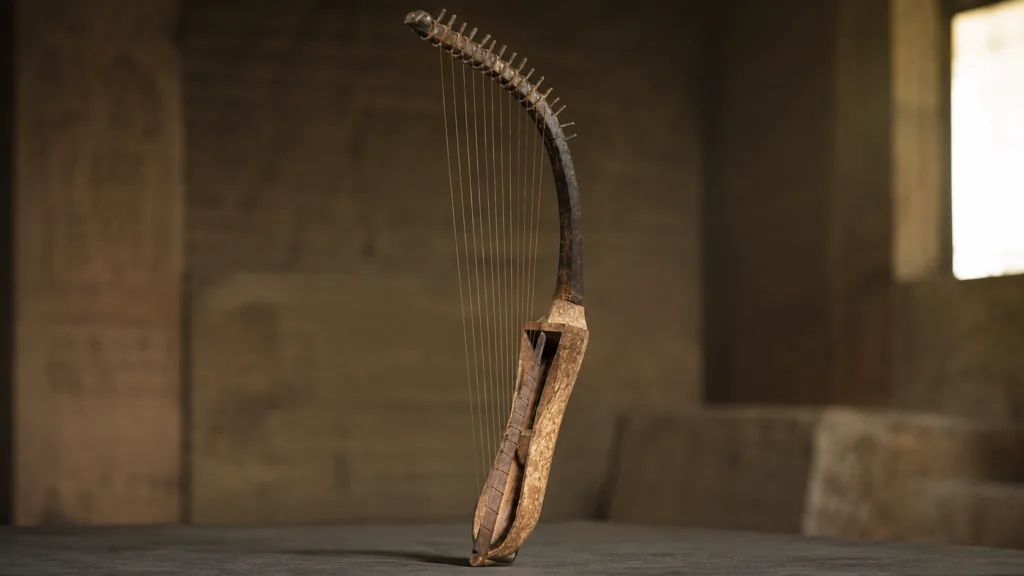
Ancient Egyptian arched harps are studied through surviving objects and images, focusing on construction, performance scenes and historical interpretation.
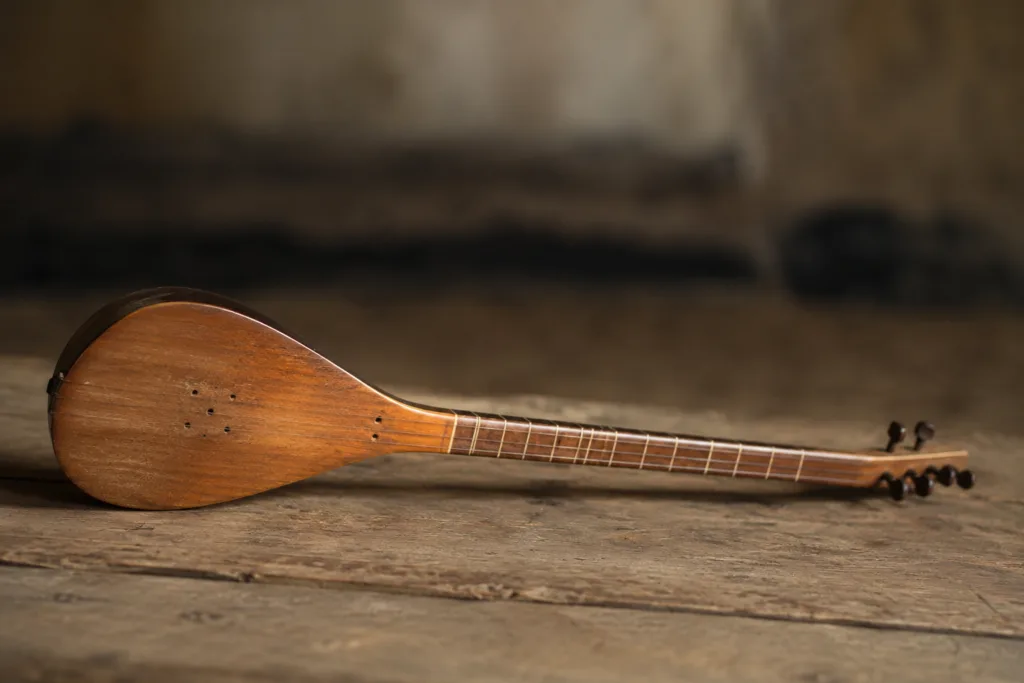
Tanbur history, long-necked construction and regional forms are traced through sources that connect ancient lutes with later string traditions.
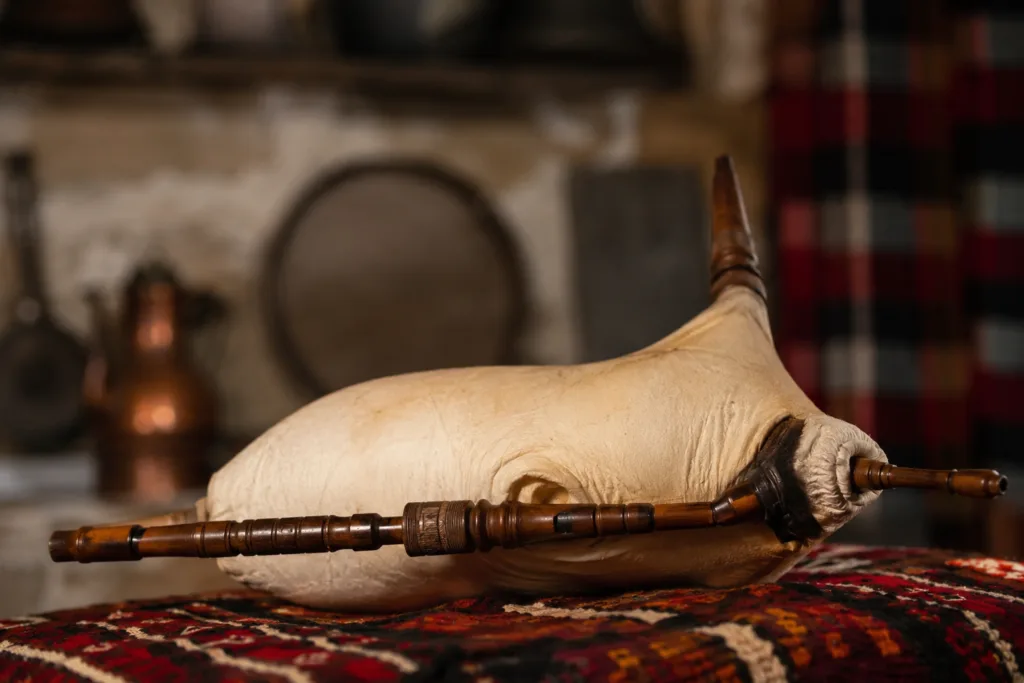
Bulgarian gayda construction, regional forms and playing practice are described alongside the traditions recognized through UNESCO safeguarding work.