
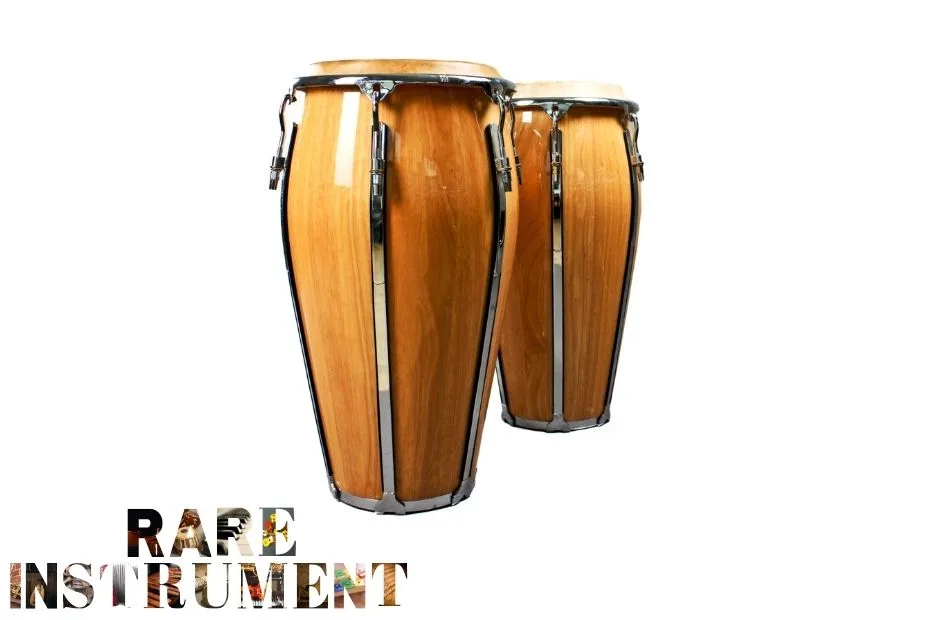
Congas are one of the most iconic percussion instruments in Latin music, known for their rich tones, expressive rhythms, and versatility. From salsa and rumba to jazz and contemporary fusion, learning to play, maintain, and accessorize your congas helps preserve their sound and playing condition.
1. Conga Drum Overview
Originating from Afro-Cuban music, the conga drums are tall, narrow, single-headed drums played with the hands. Typically made of wood or fiberglass, congas come in different sizes:
| Type | Diameter | Height | Weight | Tone | Use | Typical Music | Material |
|---|---|---|---|---|---|---|---|
| Quinto | 10–11 inches | 24–26 inches | 7–9 kg | High-pitched, melodic | Lead rhythms, solos | Salsa, Rumba, Jazz | Wood or fiberglass |
| Conga / Segundo | 11–12 inches | 28–30 inches | 8–10 kg | Medium tone | Ensemble rhythms | Salsa, Rumba, Pop | Wood or fiberglass |
| Tumbadora | 12–13 inches | 30–32 inches | 9–12 kg | Low tone, bass | Bass rhythm support | Salsa, Rumba, Latin Jazz | Wood or fiberglass |
| Mini Conga | 8–9 inches | 20–22 inches | 4–6 kg | High tone, bright | Portable practice, light rhythms | Pop, Fusion, Street performance | Wood or fiberglass |
| Electronic Conga Pad | Variable | Variable | 3–5 kg | Customizable tones | Studio recording, hybrid performances | All genres | Plastic, silicone, electronic components |
2. Types of Conga Drums
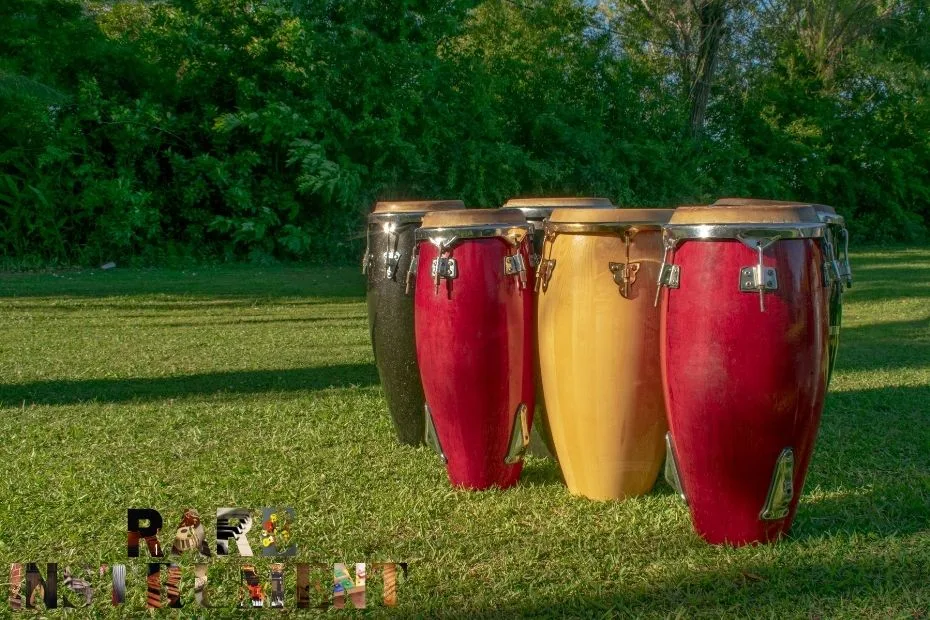
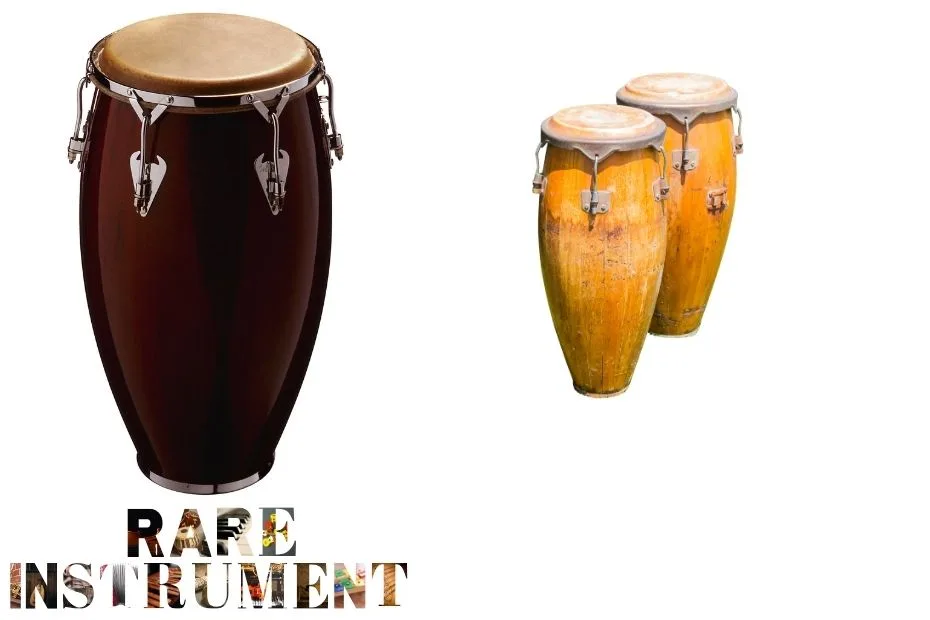
- Traditional Wooden Congas: Built from hardwood staves such as oak or ash. They are valued for their warm, resonant tone.
- Fiberglass Congas: Durable and less sensitive to changes in humidity, making them practical for frequent transport and live performance.
- Modern and Hybrid Congas: May combine wood or fiberglass shells with modern tuning hardware and natural or synthetic drumheads for stable tuning and easier maintenance.
3. Basic Playing Techniques
Congas are played with the hands, and controlling several basic strokes gives players access to a wide range of tones. Common techniques include:
- Open Tone: Strike near the edge with the fingers together for a clear, resonant tone.
- Bass Tone: Use the palm near the center of the drumhead for a deep, low-pitched sound.
- Slap: A sharper, higher-pitched sound created with a controlled snapping motion of the fingers against the drumhead.
- Muffled Tone: Keep the fingers in contact with the drumhead after the strike to shorten the resonance and produce a muted sound.
Players usually practice these strokes separately before combining them into repeating patterns such as tumbao and other Afro-Cuban rhythmic figures.
4. Tuning Your Conga
Modern congas usually feature metal tuning lugs. Even tension around the drumhead helps maintain a clear tone and reduces unnecessary stress on the head and hardware:
- Identify the lugs: The tuning lugs are positioned around the circumference of the drumhead.
- Adjust gradually: Tighten each lug a little at a time, moving between opposite or widely separated lugs rather than tightening one area completely.
- Test the head: Tap near each lug and listen for major differences in pitch.
- Balance a set: When using several congas, tune each drum to a distinct pitch that works with the others rather than forcing every drum to the same tension.
5. Cleaning and Maintenance
Regular care keeps your congas in good playing condition. Wooden shells and natural skin heads can react to excessive moisture, heat, very dry air, and direct sunlight.
- Wipe the drumhead and hardware with a soft, dry cloth after use.
- Avoid routinely applying oils or conditioners unless the drumhead manufacturer specifically recommends a suitable product for that type of natural skin.
- Clean fiberglass shells with a lightly damp cloth or mild cleaner suitable for the finish, then dry them thoroughly.
- Check tuning lugs and other hardware periodically for looseness or corrosion.
- Store the drums in padded bags or cases when traveling or when they will not be used for an extended period.
6. Accessories for Congas
- Conga Stand: Provides stability and raises the drum to a comfortable height for standing performances.
- Drum Bags: Protect the shells, heads, and hardware during travel.
- Tuning Wrench: Used to adjust the tension rods or tuning lugs.
- Practice Pad: Allows quieter hand-technique practice when playing a full acoustic conga is impractical.
- Microphone: Useful for live amplification and recording, especially when the congas need to sit clearly within a larger ensemble.
7. Common Mistakes to Avoid
- Over-tightening the tuning lugs, which can place excessive tension on the drumhead and hardware.
- Leaving the drums in extreme heat, direct sunlight, or very humid conditions for long periods.
- Allowing the tension around the head to become noticeably uneven.
- Using harsh chemicals that can damage the shell finish, hardware, or drumhead.
- Ignoring cracks, loose hardware, damaged bearing edges, or persistent rattling sounds.
8. Advanced Playing Tips
- Combine open, bass, slap, and muted strokes to create rhythmic contrast.
- Practice alternating hands slowly before increasing tempo.
- Experiment with finger placement and controlled muting to vary the attack and resonance.
- When playing more than one conga, practice moving between drums without interrupting the pulse.
- In ensemble settings, listen carefully to the bass, clave, and other percussion instruments so the conga part supports rather than crowds the rhythm.
9. When to Consult a Professional
If you notice persistent uneven tuning, shell cracks, damaged hardware, head problems, or rattling that cannot be traced to a loose fitting, a drum technician can inspect the instrument. Repairs involving bearing edges, shell separation, damaged tuning hardware, or replacement of a natural skin head may require specialized tools and experience.
10. Playing and Caring for Congas
Learning conga technique involves developing consistent hand strokes while also understanding tuning and basic maintenance. Regular practice, even tuning, sensible storage, and careful handling can keep a set of congas responsive and dependable for years of playing.
FAQ – Conga Drums
Q: What are the different types of conga drums?
A: The three commonly used sizes are the quinto, conga or segundo, and tumbadora. The quinto generally has the highest pitch, while the larger tumbadora produces a lower tone.
Q: How do I tune my congas?
A: Adjust the tuning lugs gradually and keep the tension reasonably even around the drumhead. Tap near the lugs as you work and compare the pitch before making further adjustments.
Q: How should I maintain my congas?
A: Keep the drumhead and hardware clean, avoid prolonged exposure to extreme heat or humidity, check the tuning hardware periodically, and use padded protection during transport.
Q: What accessories are useful for congas?
A: Common accessories include a conga stand, padded bags or cases, a correctly sized tuning wrench, a practice pad, and microphones for amplified performances or recording.