
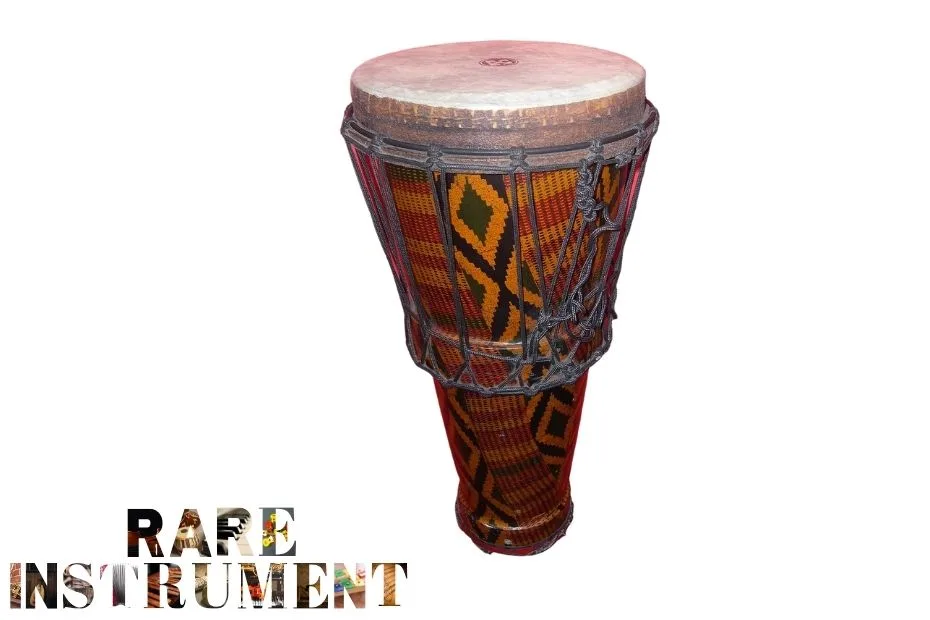
Ashiko: A Tapered West African Hand Drum in Global Percussion
| Feature | Traditional Ashiko | Modern Adaptations | Notes |
|---|---|---|---|
| Origin and Context | West Africa, especially traditions associated with Nigeria and neighboring areas | Used in African-diaspora, world-percussion, educational, and drum-circle settings | Related drum forms occur across several regions, but similar shape does not by itself prove direct descent |
| Shape | Tapered or truncated-cone shell with a wide playing head and narrower open base | Stave-built and differently proportioned versions are common | Distinct from the goblet profile of many djembes and the barrel-like form of modern congas |
| Size | No single standardized size | Available in smaller and larger builds for different playing situations | Head diameter, shell height, wall thickness, and skin tension all affect response |
| Head | Cow or calf skin is associated with many traditional-style instruments | Goat skin and synthetic heads are also used | Natural skins respond more to humidity; synthetic heads are usually more stable |
| Core Strokes | Bass, open tone, and slap | The same broad hand-drum techniques are adapted for contemporary playing | Stroke names and execution vary by teacher and musical setting |
| Cultural Role | Community music, dance, and ensemble performance | World percussion, jazz, education, and drum circles | The ashiko should not be treated as interchangeable with every West African or Afro-diasporic hand drum |
West African Roots and Diaspora Connections
The ashiko is a tapered hand drum associated with West African percussion traditions, especially in and around present-day Nigeria. It is commonly linked with Yoruba musical culture, although the name and related drum traditions have also been used in broader West African and later international contexts.
Atlantic migration and the African diaspora produced many related Afro-diasporic percussion traditions in the Caribbean and the Americas. Tapered or similarly proportioned drums can be found in several of those traditions, but the resemblance should not be presented as a simple line in which the ashiko directly became the Cuban conga or the Brazilian atabaque. Congas, atabaques, and other diaspora drums developed within their own local histories, materials, ritual settings, and playing systems.
The ashiko itself later became familiar to wider audiences through African percussion performance, touring ensembles, teaching, and recordings. In North America, Nigerian percussionist Babatunde Olatunji was closely associated with the instrument and featured ashiko alongside other African and African-diasporic percussion.
Construction and Acoustic Design
The ashiko is defined visually by its tapered shell: the head sits on the broad upper opening while the body narrows toward an open base. Traditional-style instruments may be carved from wood, while many modern ashikos use stave construction made from joined wooden sections.
Shell proportions affect handling and resonance. A wider head can support a fuller low-frequency response, while shell height and internal volume influence projection and decay. The taper also helps distinguish the ashiko from cylindrical or barrel-shaped hand drums.
Natural-skin heads are commonly tensioned with rope on traditional-style instruments. Modern makers may use mechanical hardware or synthetic membranes, which change the tuning method and make the drum less sensitive to weather.
Playing Vocabulary
Ashiko technique uses the same broad sound families heard across many hand drums: bass, open tone, slap, and muted strokes. Their exact sound depends on hand shape, striking position, head tension, and the individual drum.
- Bass: A centered stroke that emphasizes the lower resonance of the head.
- Open Tone: A rebounding stroke closer to the edge, allowing the membrane to ring clearly.
- Slap: A sharper edge-area stroke with a bright, short attack.
- Muted Stroke: A tone shortened by keeping one hand in contact with the membrane or controlling the rebound.
Some teachers use syllables to vocalize these sounds, but there is no single universal ashiko vocabulary that assigns one fixed syllable to every stroke. Players moving between ashiko, conga, djembe, and other hand drums may recognize similar physical ideas while still needing to adjust touch and technique.
How It Differs from Djembe, Conga, and Atabaque
A tapered, open-bottom hand drum whose shell narrows from the playing head toward the base. Rope-tuned natural heads are common in traditional-style builds.
A goblet-shaped West African drum with a pronounced bowl and narrower stem. Its shell geometry and traditional repertoire are different from those of the ashiko.
A tall Afro-Cuban drum, usually barrel-shaped and commonly tuned with metal hardware. Modern conga technique has its own established ensemble roles and terminology.
A Brazilian drum family used in several musical and religious contexts. Its construction, naming, and performance traditions should not be treated as a direct continuation of the ashiko.
Contexts of Performance
West African and Diaspora Settings
The ashiko can appear in community music, dance accompaniment, percussion ensembles, and modern interpretations of African rhythmic traditions. Its presence varies by region and ensemble, so it should not be described as the standard drum for every Yoruba or Afro-diasporic ritual tradition.
Afro-Cuban, Afro-Brazilian, and other diaspora traditions include their own established drum families and repertories. The most accurate connection is one of related African and Afro-diasporic percussion histories, not a claim that these instruments are simply renamed versions of one another.
Contemporary Ensembles
Today, ashikos appear in world-percussion groups, jazz and fusion projects, percussion workshops, schools, and drum circles. Their tapered shape produces a different playing feel from many cylindrical drums, while the broad head gives enough surface area for distinct bass, open, slap, and muted articulations.
Notable Performers and Transmission
Babatunde Olatunji helped bring African percussion to a broad international audience and performed on ashiko as well as ngoma, djembe, talking drums, and other percussion. His ensembles and recordings gave many listeners outside Africa direct exposure to the ashiko in a multi-drum setting.
The instrument has also spread through community teachers, percussion workshops, instrument makers, and ensemble players rather than through a single standardized school. As a result, modern ashiko technique may reflect a mixture of West African hand-drumming practice and methods borrowed from other hand-drum traditions.
Learning and Practical Advice
Separate bass, open tone, slap, and muted sounds before working on speed. A clean difference between strokes is more useful than playing a dense pattern with blurred articulation.
Position the drum so the lower opening is not blocked by the floor or the player’s body. A small forward tilt can help the shell resonate freely.
Natural skin changes more with climate and can offer a responsive playing surface. Synthetic heads are usually easier to keep stable when temperature and humidity vary.
When studying Yoruba, Afro-Cuban, Afro-Brazilian, or other percussion systems, learn the specific drums and rhythmic roles used in that tradition rather than substituting the ashiko for them automatically.
Maintenance and Care
Natural heads respond to humidity, heat, and dryness. Keep the drum away from prolonged direct sunlight, heaters, damp storage areas, and rapid temperature changes. A natural head that becomes unusually tight or slack should be allowed to acclimate before major tension adjustments are made.
Rope-tuned drums should be checked for even tension rather than tightened aggressively in one area. Mechanical hardware also benefits from balanced adjustments around the head. Uneven tension can shorten head life and make the playing surface respond inconsistently.
Synthetic heads need less climate-related attention, but the shell, bearing edge, rope, and hardware still require inspection. Loose fittings, damaged rope, sharp bearing edges, or cracks in the wooden body can alter both tuning stability and tone.