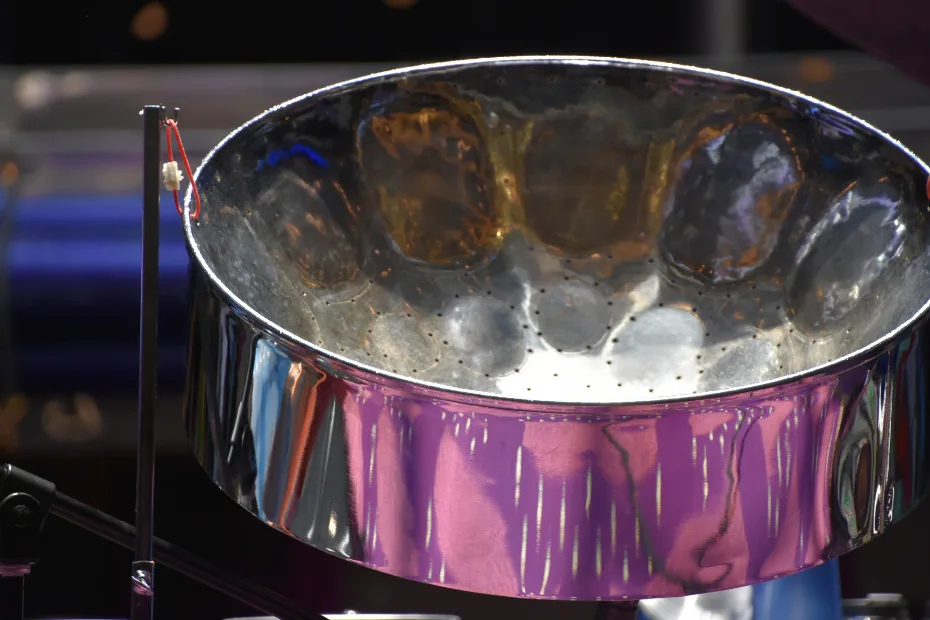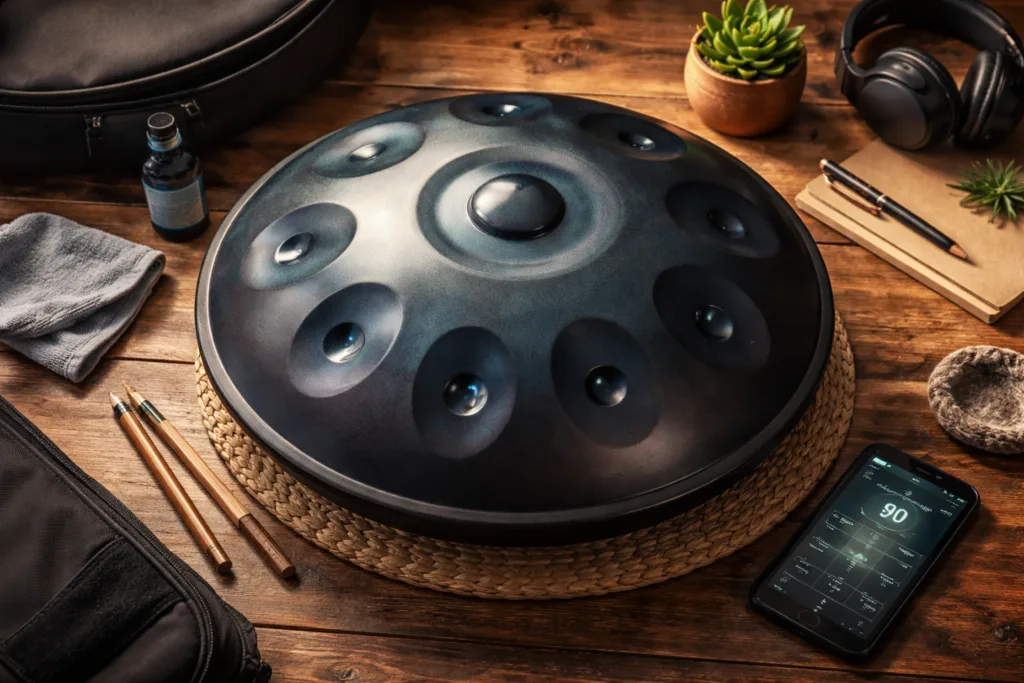

The electronic darbuka is a modern take on the classic goblet drum, built for today’s practice rooms, studios, and stages 🥁.
It keeps the familiar hand-drum shape while adding digital sound control, quiet practice options, and reliable output.
If you love darbuka technique but want more flexibility, an electronic darbuka can feel like a door opening.
• • •
What An Electronic Darbuka Really Is
- Form: A darbuka-style shell that sits like a traditional darbuka 🏺
- Playing Surface: A pad or head that senses hand hits using triggers
- Sound Source: Built-in tones or an external module/app via audio or MIDI 🎛️
- Goal: Keep darbuka feel while adding control, volume management, and consistent output
An electronic darbuka is a hand drum equipped with sensors that convert physical strokes into electronic sound.
These sensors detect impact and, in many models, velocity, allowing a light tek to remain crisp while a stronger doum produces a deeper tone.
Well-designed systems maintain low latency so the electronic darbuka responds quickly and feels natural to play.
Unlike a regular darbuka where the shell and skin create the voice, an electronic darbuka separates touch from tone.
That split is powerful: you can practice quietly, record clean, and swap sounds without changing your hands.
It also means the “instrument” is partly your technique and partly the sound engine, so setup matters.
• • •
From Clay And Metal To Sensors
- Older Roots: Goblet-shaped hand drums show up across many long-standing music traditions
- Materials: Clay, metal, wood, and natural skins shaped the classic darbuka voice
- Modern Shift: Electronics move sound-making from skin resonance to signal processing ⚡
The darbuka (also known in some places as doumbek) has traveled widely, picking up local styles along the way.
Names vary by region and language, yet the musical role stays familiar: sharp highs, warm lows, and fast ornamentation.
Many people connect “darbuka” to Arabic roots related to striking or hitting, which fits a hand drum’s purpose.
An electronic darbuka keeps that identity while changing how the sound is produced.
Traditional builds rely on a vibrating head and a shaped body that supports resonanse and projection.
With an electronic darbuka, the shell is still important for comfort and posture, but tone comes from samples or synthesis.
That’s why two instruments can feel similar in your lap while sounding completely different through speakers 🎧.
• • •
How It Makes Sound
- Triggers: Sense impact at the head or rim area
- Zones: Some units separate center vs edge hits for “doum/tek” logic 🧩
- Velocity: Hit strength can map to volume or timbre in dynamic sounds
- Output: Headphones, line-out, USB audio, or MIDI
Most electronic darbuka designs work by converting hits into a signal, then shaping that signal into sound.
If the instrument supports multiple zones, center strokes can trigger a deeper doum-style tone while edge strokes call a tighter tek-style snap.
A good velocity curve helps your hands feel “heard,” especially during rolls and ghost notes.
Hands → Pad/Head Sensors → Trigger Processor → Sound Engine (Internal/External) → Output (Headphones/Mixer/USB)
If you want a clean studio take, keep the electronic darbuka output direct.
For live playing, route the line-out to a mixer and monitor with in-ears or a wedge.
Sound engines vary. Some focus on realistic darbuka tones, others include broader percussion sets.
The useful part is consistency: an electronic darbuka can deliver the same punch in different rooms.
That predictability is gold when you record layered parts or rehearse with click and loops.
• • •
Feel Matters: Translating Technique
- Touch: Pad material changes rebound and comfort
- Rim Work: Some models capture edge articulation better than others
- Rolls: Sensitivity and scanning speed affect fast ornaments 🥁
- Dynamics: Curves should match your hands, not fight them
A traditional darbuka teaches you micro-control: fingertip taps, slaps, muted tones, and fast doubles.
With an electronic darbuka, that same technique can shine, but only if the surface responds smoothly.
If a pad is too stiff, delicate ghost notes can vanish; too soft, and crisp attacks may blur.
Look for a sensitivity range that captures both whispers and accents.
Rim behavior is a big deal. Many styles rely on bright edge strokes and sharp “tek” colors.
A well-tuned electronic darbuka can separate those hits so patterns stay readable at speed.
If you play lots of ornaments, prioritize multi-zone response and stable triggering.
• • •
Where It Fits Best
| Use Case | Why An Electronic Darbuka Helps | What To Watch For |
|---|---|---|
| Quiet Practice 🎧 | Headphone monitoring, controlled volume, consistent response | Pad noise, comfort, latency |
| Studio Recording 🎛️ | Direct output, repeatable takes, easy layering and editing | Sound library quality, dynamic range |
| Live Performance 🥁 | Stable level, clear mix placement, quick sound switching | Output options, power needs, monitoring |
| Hybrid Setups 🧩 | MIDI control for software, percussion stacks, loops | Mapping, compatibility, cable management |
- Home players who need quiet sessions without losing the darbuka posture
- Producers who want clean percussion layers and tight timing
- Performers who want consistent sound in different venues 🎤
The biggest win is control. An electronic darbuka lets you manage volume and tone without changing your hands.
That’s great for apartment practice, late-night writing sessions, or rehearsals where balance matters.
You can also audition sounds fast, which helps when you build arrangements around rhythm color.
In studios, direct signal is a practical advantage. No mic placement, less room influence, fewer surprises.
An electronic darbuka can sit in a dense mix because transients stay clear.
If you prefer organic texture, you can still blend it with a live acoustic darbuka for contrast.
• • •
Choosing One Without Guesswork
- Response: Does it track soft taps and fast rolls reliably?
- Zones: Can it separate center and edge strokes?
- Sound: Are the core darbuka tones convincing and useful?
- Connectivity: Do you need MIDI, USB audio, or simple line-out?
- Comfort: Is the shell shape friendly for long sessions?
Start with feel. If the electronic darbuka doesn’t translate your technique, extra features won’t save it.
Test slow strokes, then quick ornaments, then strong accents.
A good unit stays consistent across the whole surface, with a dynamic range that feels musical.
Next, decide how you’ll use it. For simple practice, headphone output and solid triggering may be enough 🎧.
For production, you might want electronic darbuka tones plus flexible routing.
For hybrid rigs, MIDI mapping can be the difference between fun and frustration.
- Set the threshold so light taps register without accidental triggers
- Shape the velocity curve to match your natural accents
- Keep cables tidy so the darbuka position stays comfortable
Comfort is not a luxury. A goblet drum sits against your body, so sharp edges and awkward weight show up fast.
Look for stable lap placement and a rim that doesn’t punish your forearms.
A comfortable electronic darbuka keeps your focus on rhythm, not on adjusting your posture.
• • •
Care And Longevity
- Cleaning: Wipe the playing surface; keep oils off sensor areas 🧼
- Storage: Avoid extreme heat; protect ports and knobs 🎛️
- Power: Use reliable adapters or fresh batteries if supported
- Transport: A padded case helps the electronics last
Treat an electronic darbuka like both an instrument and a small piece of audio gear.
Keep the surface clean so sensitivity stays even.
Protect connectors, because a loose jack can cause crackle or dropouts that ruin an otherwise solid performance.
If your unit has firmware or app support, update only when you have time to test your settings.
Save your favorite sounds and curves if the system allows it.
A little organization keeps the electronic darbuka ready for practice, recording, or stage work without stress.
• • •
FAQ
Does an electronic darbuka help improve real darbuka technique?
Yes, when the pad tracks soft touches and fast ornaments well.
Choose a electronic darbuka with responsive zones and tune the sensitivity so your finger control stays meaningful.
Will it sound like a traditional darbuka?
It can get close if the sound engine uses well-recorded samples and good dynamics.
Still, an electronic darbuka often has its own clean character, which many players enjoy for modern mixes.
Is latency a real problem?
It can be, especially with slower apps or overloaded computers.
A good electronic darbuka setup feels immediate, so keep your audio chain simple and monitor directly when possible 🎧.
Do I need MIDI for home practice?
Not always. For quiet practice, headphone output and a good internal sound can be enough.
MIDI becomes useful when you want software sounds, recording flexibility, or hybrid percussion rigs 🧩.
How do I keep the feel close to a real darbuka?
Focus on surface response and curves.
Set the threshold low enough for soft taps, then adjust the velocity so accents pop without forcing your hands.