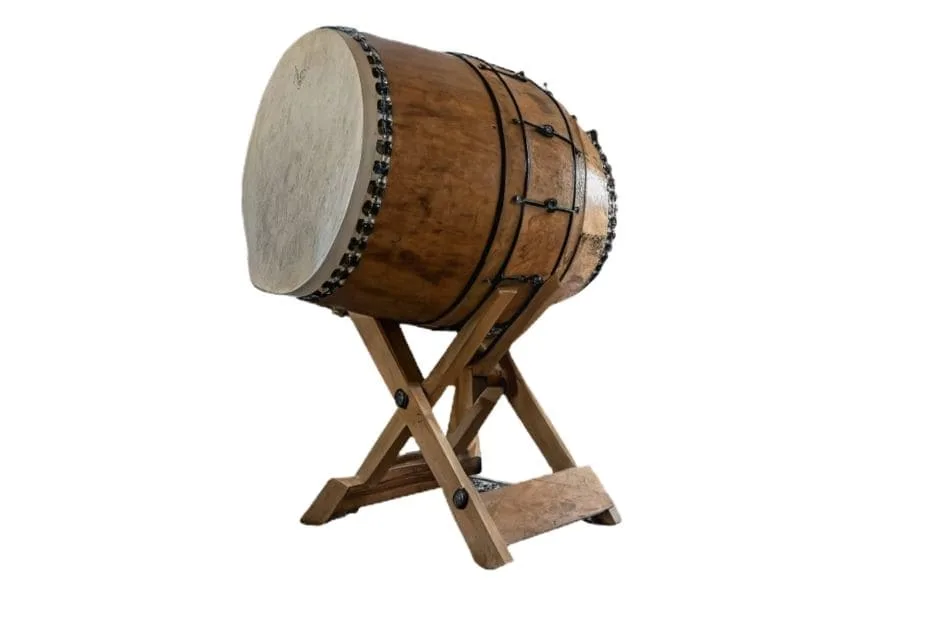

Few percussion instruments are as instantly recognizable—and ear-catching—as the Octoban. These slender, tubular toms bring a cutting, melodic voice to drum kits across rock, pop, fusion, and experimental music. Whether you’re a studio drummer seeking tonal color or a live performer chasing an attention-grabbing accent, Octobans (often called tube toms) deliver a unique blend of pitch clarity, attack, and futuristic aesthetics.
| Feature | Details |
|---|---|
| Instrument Type | Melodic auxiliary toms (tube toms) |
| Typical Diameter | 6″ (150 mm) fixed |
| Common Length Range | ~11″–24″ (≈280–600 mm), pitch varies by length |
| Common Configurations | Pairs, 4-piece, or full 8-piece sets |
| Head Size | 6″ drumheads (single- or double-ply) |
| Shell Materials | Fiberglass/composite, birch, or other woods (varies by brand/model) |
| Mounting | Cluster brackets on stands or racks; L-rod/Omni-style clamps |
| Signature Sound | Focused attack, clear pitch, short-to-medium sustain, bright overtones |
| Best For | Melodic fills, textural accents, percussive motifs, cinematic effects |
What Is an Octoban?
An Octoban is a long, narrow tom with a fixed small diameter (typically 6″) and varying lengths. Unlike standard toms, which change pitch primarily through diameter and depth, Octobans achieve their pitch mainly by length. The result is a family of matching voices that can be arranged melodically—perfect for quickly “speaking” notes in ascending or descending runs.
Octoban vs. Standard Toms vs. Rototoms
- Standard toms: Wider diameters (10″–18″), warm and full-bodied, tuned primarily by head tension and shell size.
- Rototoms: No shells; pitch changes by rotating the frame. Sharp attack, very fast tuning changes.
- Octobans: Shell-based resonance, fixed small diameter, pitch set mostly by length. Focused and bright, with identifiable pitch notes and a futuristic tonality.
A Brief History and Famous Players
Popularized in the late 1970s and 1980s—most famously by TAMA—Octobans quickly became a visual and sonic signature for progressive and arena rock drummers. Names like Simon Phillips (Toto), Stewart Copeland (The Police), and many studio players have used Octobans or similar tube toms to carve out melodic lines and attention-grabbing fills. Their association with large, sculptural drum setups made them an icon of the era—yet their focused sound still feels remarkably modern today.
Construction, Sizes, and Materials
The Octoban’s voice is defined by three factors:
1) Diameter
Most Octobans use a 6″ (150 mm) diameter. This small size delivers the quick response and concentrated attack that make their “pew-pew” melodic punctuation so addictive.
2) Length
Lengths generally span about 11″–24″ (≈280–600 mm), with longer tubes producing lower pitches. Manufacturers often offer:
- High-pitch sets: shorter tubes for compact, bright voices.
- Low-pitch sets: longer tubes for deeper, more vocal tones.
- 8-piece collections: a full octave-like array covering a wide range.
3) Material
Shell materials vary. Fiberglass/composite models provide cutting projection and durability; birch or other woods add warmth and body while retaining attack. Either way, the small diameter ensures clarity.
Sound, Heads, and Tuning Tips
Choosing Heads
- Single-ply 6″ heads (e.g., coated or clear) emphasize brightness, articulation, and ring.
- Double-ply adds control and durability, smoothing out overtones for a more modern punch.
- Damping: A small gel dot or thin ring can tame lingering overtones without choking the drum.
Tuning Approach
- Start medium tension: the small diameter responds best without being overtightened.
- Top and bottom heads balanced for clarity; slightly tighter reso head can sharpen articulation.
- Tune sets to a musical pattern: fourths, fifths, or stepwise scales for lyrical fills.
Remember, the length determines the fundamental range; tuning refines focus, feel, and sustain. Shorter tubes excel at fast, high articulations; longer tubes deliver warmer, lower tones with a touch more bloom.
Mounting and Setup Ideas
- Cluster on a stand: A classic 4-piece block mounted to the left or right of the main toms—ergonomic and visually striking.
- Rack mounting: Distributes weight and offers precise placement above the hats or over the ride.
- Split placement: Two shorter tubes on the left (near hats), two longer on the right (near floor tom) for stereo melodic motion.
- Height and angle: Keep angles modest for stick clearance; higher placement enhances the “call-out” effect in fills.
Genres and Creative Applications
- Rock/Pop: Hooky, motif-like fills that repeat across choruses.
- Fusion/Prog: Scalar runs and rhythmic melodies integrated into solos.
- Film/TV/Game scoring: Futuristic, percussive textures that sit clearly in a mix.
- Electronic/Hybrid: Layer samples with Octobans for organic-meets-synthetic accents.
Octobans vs. Similar Options
- Deccabons / tube tom variations: Similar concept with different brand names and size sets; often 6″ diameter and multiple lengths.
- Quarter Toms (legacy): Shallow, small-diameter voices with a quick tick—less sustained than long-tube Octobans.
- Rototoms: Rapid pitch changes and ultra-bright attack, but a different timbre (no shell resonance).
Buying Guide: What to Look For
1) Configuration
Decide if you need a pair for accents, a 4-piece for melodic phrases, or a full 8-piece to unlock maximum range.
2) Material and Finish
Fiberglass/composite for projection and consistency; wood for added warmth. Consider finishes that match your kit if aesthetics matter on stage.
3) Mounting Hardware
Ensure the brackets are sturdy and easy to adjust. Because octobans can be heavy when mounted in sets, use stable stands or a rack designed to support their combined weight.
4) Availability of 6″ Heads
Stock a few extra 6″ heads. They’re widely available from top brands, but not every local shop keeps them on hand.
5) Budget
Prices scale with set size and materials. Pairs are the most affordable entry point; full 8-piece sets are premium. Consider used options for excellent value.
Miking and Mixing Tips (Live and Studio)
- Spot mics: Small-diaphragm condensers or tight-pattern dynamics placed 2–4″ off-center, angled toward the strike zone.
- Overheads first: Octobans project well; start with overheads/rooms and add spot mics for definition.
- EQ: Gentle high-mid presence boost (2–5 kHz) for articulation; control 500–800 Hz if honk builds up.
- Compression: Light, fast attack/medium release to keep transients lively without choking dynamics.
- Reverb: Short plates or small rooms accentuate the “laser-tom” vibe; keep tails tight for fast passages.
Care and Maintenance
- Wipe shells and hardware after gigs to prevent corrosion.
- Check mount bolts regularly—cluster weight can loosen fittings.
- Rotate sticks or use small nylon tips to minimize head denting on 6″ surfaces.
- Replace heads periodically; smaller heads can go from “great” to “choked” quickly when worn.
Final Thoughts
The Octoban is more than a visual statement—it’s a melodic tool that expands your kit’s vocabulary without overwhelming your mix. With a distinctive length-based pitch range, the classic 6″ diameter voice, and flexible mounting options, Octobans excel at creating hooks, transitions, and textures that stand out. If you’re ready to add a fresh, modern color to your palette, start with a pair or 4-piece set—then let your ideas (and fills) climb the ladder from there.